


Barbell vs Dumbbell: Which Is Better for Your Fitness Goals?
It is one of the best forms of working out that can help you to grow stronger, build your body shape, and improve your overall fitness. It doesn't matter if you are wanting to get stronger, tone your muscles, or just be active on a regular basis-lifting weights can get you there. Indeed, two of the most effective and multi-functional pieces of strength training equipment are barbells and dumbbells. They enable you to work out almost every muscle you have, from legs to back, and arms to shoulders, letting you be able to work out in the gym or at home.
You will learn exactly what various types of fitness equipment are, including a 15-pound barbell for beginners and a 200-pound dumbbell for those with more knowledge about fitness equipment. Lastly, we will discuss adjustable training methods that can simplify and cost-effectively make training easier. Whether you are just starting out, or have been lifting for years, understanding how to select and use the appropriate kit to workout smarter, maintain consistency and achieve better results. With the right tools in your hands of course, and every workout can bring you closer to your goals.
1. Barbell Training Essentials
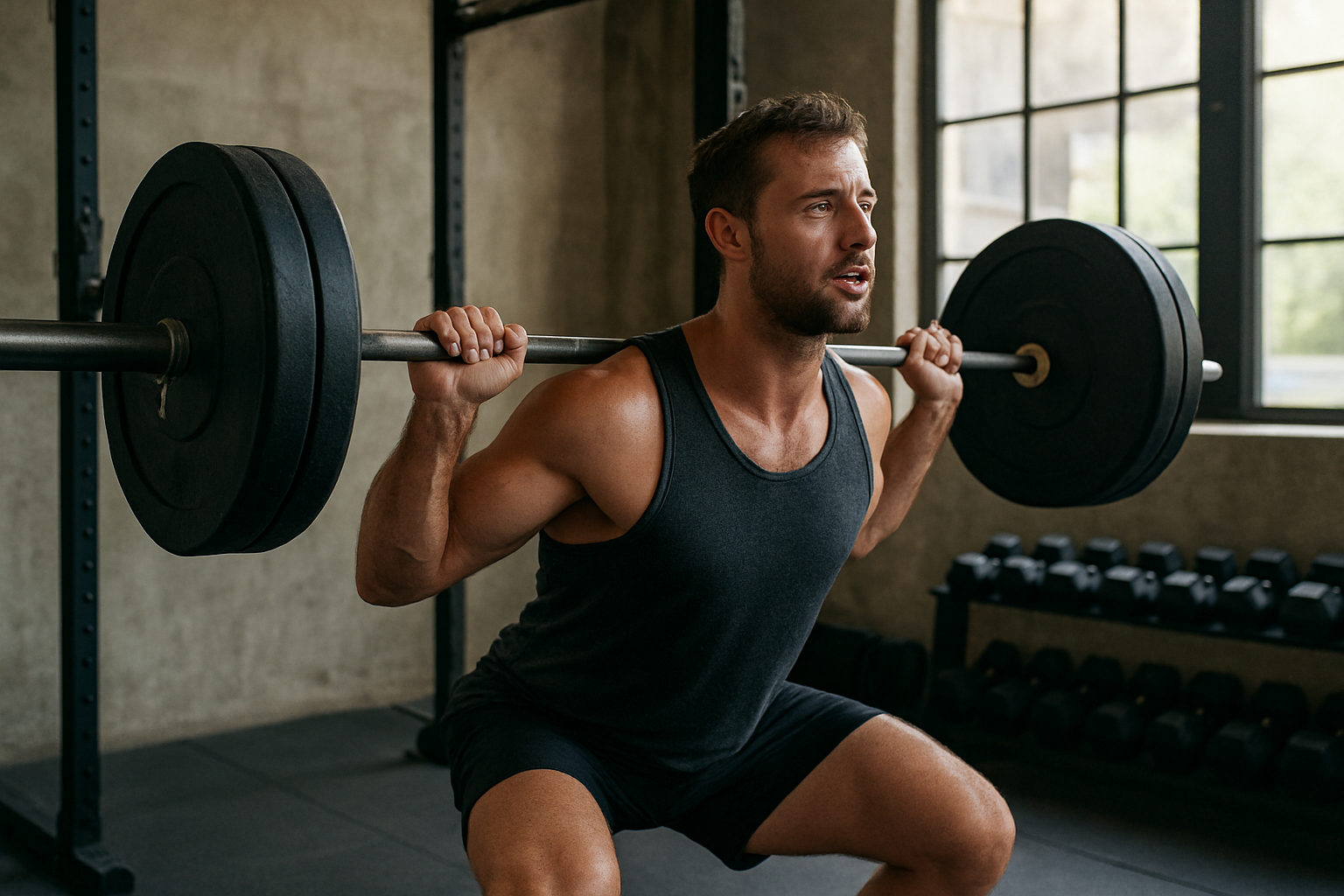
In terms of effective strength building, there is little in the world that is as versatility and powerful as the barbell. Whether you're a beginner or an experienced lifter, knowing the different types of barbells and their benefits can significantly affect your training outcomes. From a 15 lb barbell for beginners to a 45 lb Olympic barbell for experienced lifters, each type serves a unique purpose in strength training.
A 15 lb barbell is a fantastic choice for beginners. It is lighter, easier to handle, and ideal for learning correct lifting technique without overtaxing your muscles. A lot of people use this weight for warm-ups, movement patterns, accessory movements or so on.
The 45 lb olympic barbell is the standard choice in most gyms. It's best for the compound lifts like squats, deadlift and bench presses, for progressive overload over a period of time. With a sturdy design and smooth rotation sleeves, it is ensured to work great for beginner lifters as well as top athletes who are trying to set their better time.
For those training at home, an adjustable weight barbell can be a smart investment. It allows you to adjust the weight based on the workout you're performing and in turn provides flexibility for you without requiring extra room. This makes it ideal for individuals who want to have a variety of training possibilities without purchasing several bars.
The barbell benefits go far beyond just building muscle. Barbells can be used to do full body compound movements to involve more than one muscle group at a time, thus making your workouts more effective. With progressive overload, it is simple to monitor your strength increase through the addition of small weight increases over time. Barbells are ideal for core strength movements like squats, deadlifts, presses and bench work - movements that do both strength and stability training.
When choosing a good barbell, consider your goals, training style, and budget. A good barbell should have a comfortable grip, free rotation, and weights suitable for having a comfortable progression. Investing in the right bar will not only help you with your workouts, but it will also make your life long term and you will feel very safe.
2. Dumbbell Training Essentials
Dumbbells are one of the simplest and most flexible tools that are present in strength training. Whether you are just starting out with the basics or are a lifter looking to take advantage of greater progress, the right kind of dumbbells might assist you to develop strength, enhance stability and boost your muscular endurance. From a 10 lb dumbbell set to a 200 pound dumbbell, there’s a perfect option for every fitness level and workout style.
A 10 lb dumbbell set is a great starting point for beginners. Lighter ones like this are perfect for practice in form, motion and muscle building. Pilates balls are also great when you need some warm ups or light resistance in the bodyweight exercises.
For experienced lifters, a 200 pound dumbbell can take training intensity to the next level. Heavy dumbbells are ideal for compound movements like presses, rows, and squats and help to build serious strength and power. And because they force you to make more stabilized and balanced movements they can have a greater impact on your muscle growth than the barbell can.
If you want flexibility without filling your home with equipment, an adjustable dumbbell set 100 lbs is an excellent choice. With these you can jump straight back into training with a weight that suites your exercise or fitness level. This makes them an intelligent space-saving option for home gyms or individuals who prefer variation in their workouts.
One of the major pros of using dumbbells is that you can use them for a lot of reasons. They make it easier to isolate muscles, enabling percentage training of specific muscle, such as biceps, triceps, shoulders or glutes Dumbbells are also useful when correcting muscle imbalances because each side of the body operates separately so that each will experience balanced strength development.
Another great advantage is their portability. Dumbbells take up very little space and are easy to store - they are ideal to use for your home gym or commercial training facility. Whether you want to be strong, toned or functional fit, dumbbells both grant you the freedom to train anytime and anywhere.
3. Effective Dumbbell Workouts You Can Do Anywhere
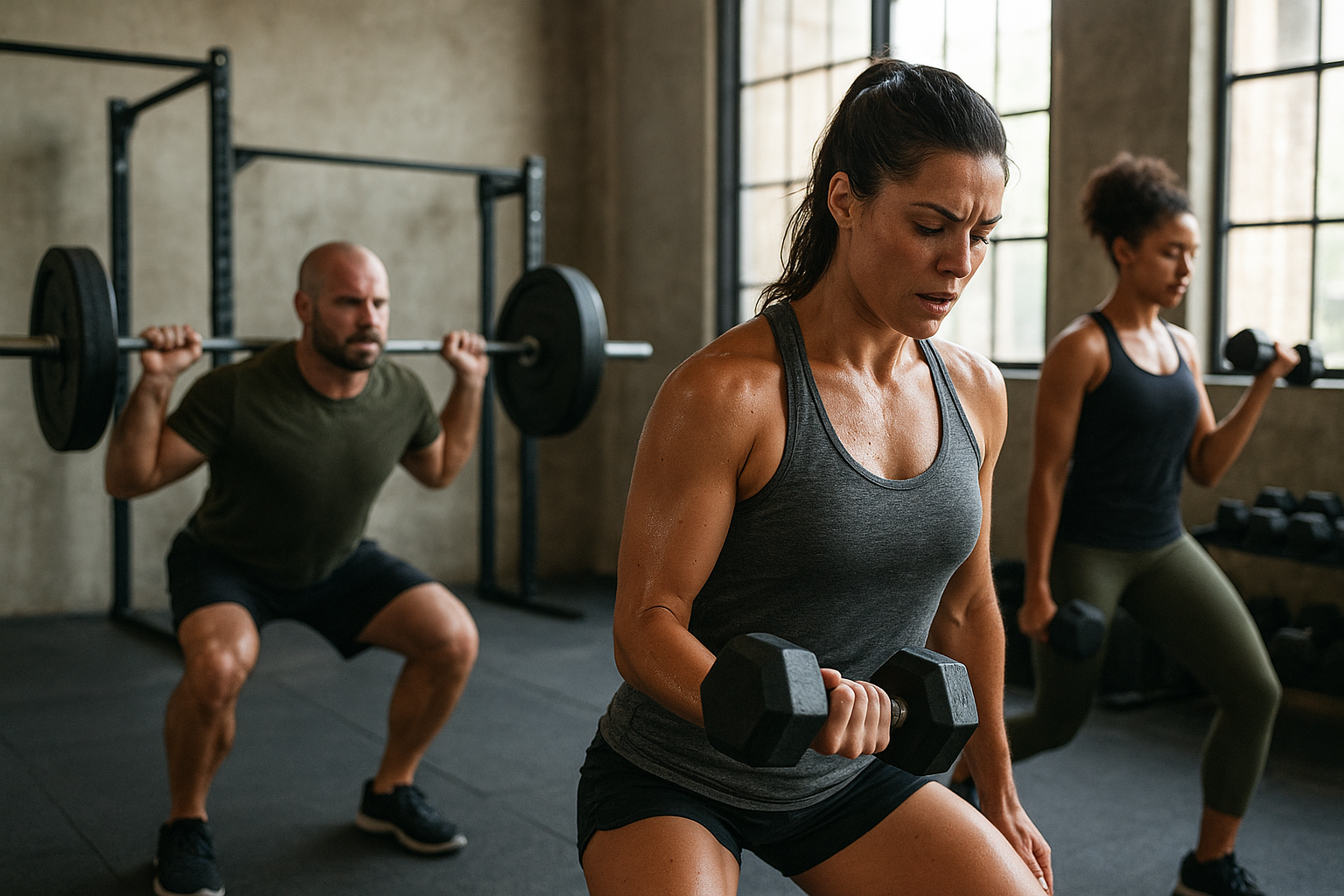
One of the biggest benefits of dumbbells is that, just like kettlebells, that they can be done anywhere without the need for a fancy gym. Be it in your living room, garage or even a small little fitness corner, with the help of dumbbells, you will be able to build yourself strength and lift yourself well. With a few simple moves you'll be able to work out your entire body which will help you make some real gains.
At-Home Leg Workouts with Dumbbells
If your goal is to strengthen and tone your lower body, at home leg workouts with dumbbells are a fantastic option. Lunges are a great place to start - they are an exercise that can enhance your balance, help you to strengthen your legs and engage your core. Goblet squats work the glutes and quads and at the same time engage the core for stability. Romanian deadlifts are great for hamstrings and lower back because they help to develop strength and flexibility simultaneously. These exercises require little space and produce maximum results and are perfect for at-home training.
Back and Biceps Dumbbell Workout
For upper body strength, a back and biceps dumbbell workout can be both effective and efficient. Dumbbell rows provide a great way to develop a great back, developing better posture, power Curls and hammer Curls target the biceps which adds size and definition. Pullovers will engage both the lats and chest and are a really good compound movement as they work multiple muscles at a time. Using a combination of these exercises, you can get a full upper body work out using just a pair of weights.
Building a Structured Routine
The secret of success with dumbbell training is consistency and structure. Start with 2-3 exercises of the lower body and 2-3 exercises for the upper body. Perform 3 sets of 8 - 12 reps per set depending on your goals per set for each exercise. Over time, increase the weight or repetitions to continually challenge your muscles. With the right plan even minimal equipment can provide serious results.
4.How to Choose the Right Equipment for Your Goals
When it comes to creating a good and effective work out regime, picking the right equipment is equally important as the workout itself. Barbells and dumbbells are two of the most common and useful equipment for strength training. Each one has its own unique benefits, and the best option for you will depend on your goals, space, and personal preferences.
Barbells vs Dumbbells: Pros and Cons
These bars can carry much heavier loads and perform compound movements such as squatting, deadlifting and bench pressing. They're great for developing overall strength and power because they allow one to load a muscle over time (they're progressive) says Ladoremo. However, barbells can take more space than other resistance machines and are often held in racks or on benches to maximize the experience of using them.
Dumbbells are also more versatile and can be used in smaller areas. They're great for isolation exercises, and can be used to fix muscle imbalances because the loads act independently with each arm. Dumbbells are also great for beginners as they allow for more controlled movement and the risk of improper movement and form is reduced. The downside is that it is harder to lift very heavy weights using a dumbbell than using a barbell.
Adjustable Equipment: The Best of Both Worlds
However, if you are looking for a balance between strength and mobility, adjustable barbells and dumbbells are a wise investment. With adjustable equipment, you can always make an easy adjustment to change the weight to whatever your exercise, fitness level, or training goal is. This not only saves space, it also saves having to purchase multiple sets.
Finding What Works for You
At the end of the day, it is best to go with your training style and environment. If you are more of a heavy person and are looking to build serious strength, then barbells might be a better option. If you are someone who values variety, mobility and space saving solutions, then dumbbells may be a perfect fit. And for those who wish to have a multi-use environment that is scalable as they grow and expand, adjustable equipment provides the perfect in between.
Both barbells and dumbbells are powerful tools for building strength, improving endurance, and transforming your fitness. Barbells offer incredible benefits for heavy lifting, making it easier to target multiple muscle groups with progressive overload. Dumbbells, on the other hand, shine when it comes to versatility—they’re perfect for isolation exercises, balance training, and home workouts with limited space.
No matter your fitness level, the key is to choose equipment that supports your personal goals. If you want to build raw strength, a solid barbell setup may be the way to go. If you prefer flexibility and variety, dumbbells could be your best friend. And for those who want both power and adaptability, adjustable equipment gives you the best of both worlds.
Now is the perfect time to invest in your fitness journey. Start small, stay consistent, and build a routine that works for you.