


The Ultimate Guide to Muscle Recovery and Stretching: How to Relieve Soreness and Improve Flexibility at Home
Everybody talks about performing training harder, lifting heavier and pushing limits - but few people speak about that really makes progress stick, which is recovery. Muscle recovery is the invisible secret of gaining strength, flexibility and preventing injury. After every workout, your body needs some time and the proper treatment to fix and become stronger. That’s where stretching exercises and recovery tools come in. Something as simple as a foam roller or a few minutes of post workout stretch can make a huge difference in how your muscles feel and perform. In this guide, we’ll break down easy and effective ways to recover faster, relieve soreness, and increase flexibility—all from the comfort of home. Whether you’re new to home fitness or want to level up your routine.These simple habits will help you train smarter and feel your best every day.
1. Why Muscle Recovery Matters?
After an intense workout, your muscles go through more than just fatigue. They experience tiny microtears in the muscle fibers. This is a normal and essential part of building strength. These fibres grow back stronger and more resilient when they repair. However, if the muscles are not allowed to recover properly, the result of this can be stiffness, fatigue or even injury. Understanding what happens after exercise is one of the most valuable pieces of fitness knowledge you can have.
When you push your body during strength or cardio training, inflammation naturally occurs as part of the healing process. That’s why you often feel sore one or two days after a tough workout. This sensation is known as delayed onset muscle soreness. While it can be uncomfortable, it’s also a sign that your body is adapting to the challenge. Still, giving your muscles time and support to recover is crucial to prevent overtraining and burnout.
Good muscle recovery practices do more than just ease discomfort; they also improve performance, increase flexibility and ensure consistent training. Recovery isn't just about resting. It's also about active care. Methods such as proper hydration, nutritious meals, quality sleep and gentle stretching help your body to repair itself efficiently. A short stretching session after your workout will improve blood flow, reduce stiffness and make you feel ready for your next session.
If you're looking for quick relief from sore muscles at home, try simple techniques such as light foam rolling, taking a warm bath or doing low-intensity exercises like yoga or walking.These techniques relax tight muscles and improve circulation without putting further strain on your body. Remember that recovery is not a luxury, but a vital part of progress. Take care of your muscles. This is the foundation for long-term strength. It is also the foundation for better mobility. It is the foundation for a healthier, more balanced fitness journey.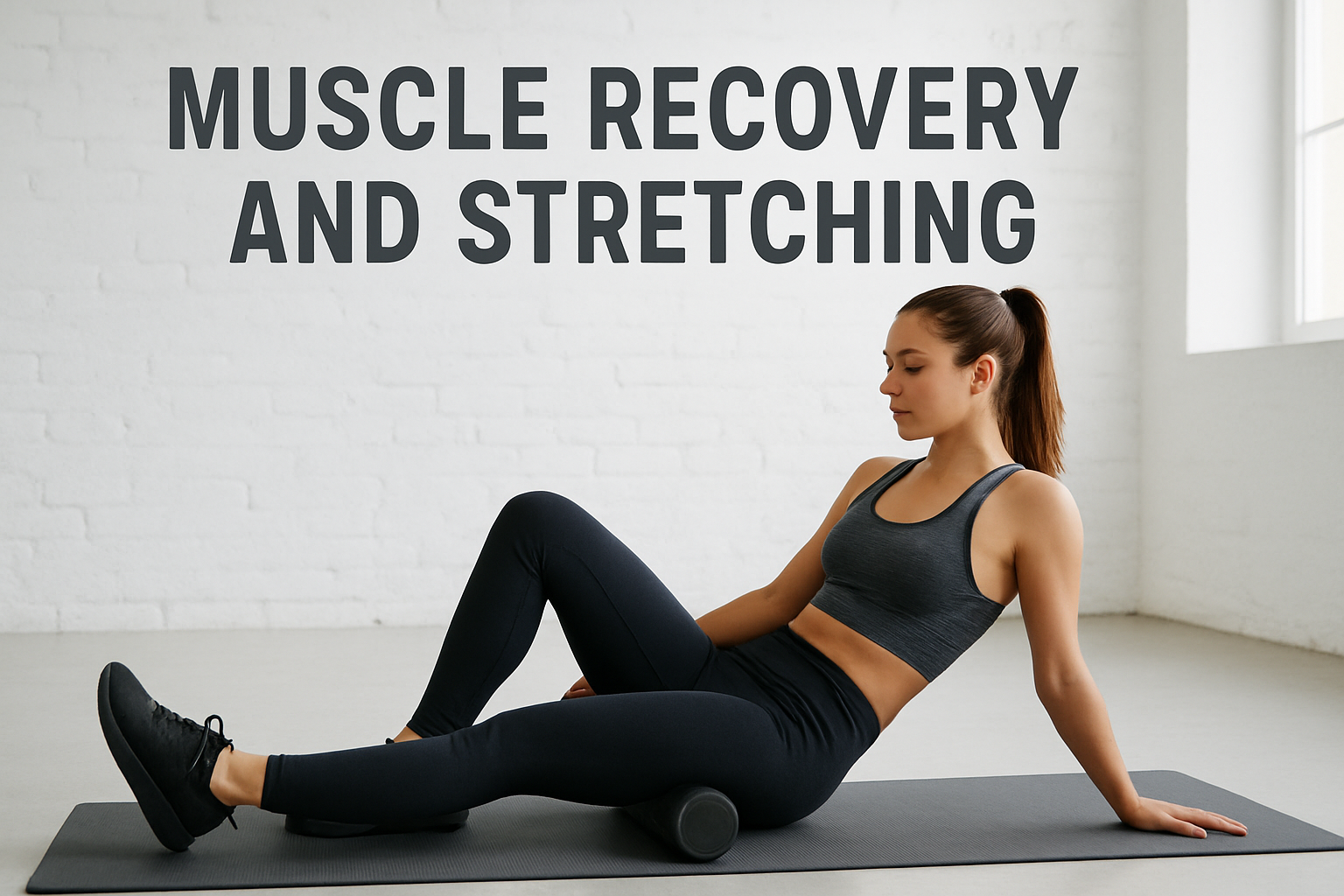
2. Understanding Stretching and Its Benefits
Stretching is one of the simplest and most effective habits you can incorporate into your fitness routine. While many people see it as just a warm-up or cool-down activity, stretching exercises actually play a major role in improving circulation, enhancing flexibility, and protecting your joints. When you stretch, you increase blood flow to your muscles. This delivers oxygen and nutrients. These help repair tissue and reduce stiffness. This process also helps to flush out waste products like lactic acid, which in turn speeds up recovery after tough workouts.
Incorporating stretching into your routine supports better movement and performance. Flexible muscles are less likely to tear or cramp. This allows you to move more freely during strength or cardio sessions.Regular flexibility training can improve posture and balance over time, making everyday activities such as walking, bending or lifting feel smoother and more comfortable. Stretching is key to maintaining healthy muscle function and range of motion. This is true for athletes or anyone pursuing long-term fitness goals.
It’s important to understand that stretching can serve different purposes.Flexibility stretching focuses on gradually lengthening muscles and improving range of motion, which is ideal for mobility and performance. In contrast, stretching for recovery helps your body to relax and return to its natural state after exercise, thereby reducing tightness and soreness. Both are valuable, and combining them creates a balanced approach to training.
One of the most effective habits you can build is a consistent post workout stretch. Taking this after your workout helps prevent muscle stiffness. It also reduces soreness. And it supports long-term flexibility. It only takes 5–10 minutes. It also allows you to take a moment to slow down, breathe and transition mentally out of your training session. Skipping this step may save a few minutes now. But it can lead to tighter muscles, decreased mobility and a higher risk of injury over time.
3. Static vs. Dynamic Stretching — When and Why to Use Each
Not all stretches are the same. Understanding the difference between static stretching and dynamic stretching can help you prepare your body for movement and recover more effectively afterward. Both types of stretching are important for any fitness routine. Understanding when to use each type will make your workouts safer, more effective and more enjoyable.
Dynamic stretching involves moving your muscles and joints through their full range of motion. These movements often resemble the ones you will perform during your workout. These stretches increase blood flow, elevate heart rate, and warm up your muscles, preparing them for physical activity. Examples include leg swings, arm circles, walking lunges, and torso rotations. They're perfect before strength training, running, or any high-intensity workout. This is because they activate the muscles you're about to use.
On the other hand, static stretching means holding a stretch in one position for a set period of time, usually 15 to 60 seconds, without moving. This helps lengthen tight muscles. It also improves flexibility. And it promotes relaxation. Common examples include seated hamstring stretches, triceps stretches, and shoulder holds. Static stretches are best used after exercise. They should be used during your cool-down phase. This is when your muscles are already warm and more pliable.
In a home fitness setting, combining both types can make a big difference. Start your session with dynamic movements to get your body ready, and finish with static stretches to help it recover. This approach enhances performance. It also reduces injury risk. And it supports long-term mobility.
When incorporated consistently, both dynamic stretching and static stretching contribute to better overall flexibility. Both also contribute to better balance and muscle control. Think of them as two sides of the same coin: one prepares your body for action, and the other helps it relax and rebuild. Understanding how to use them together will allow you to create a smarter, more complete flexibility training routine that will support you every step of the way on your fitness journey.
4.The Power of Foam Rolling for Recovery
If you’ve ever felt sore after a tough workout, you’re definitely not alone.That deep, achy feeling in your muscles means your body needs extra care. One of the easiest and most effective tools for sore muscle relief is a foam roller. It's simple and affordable. It's also something you can easily use at home, even while watching TV.
So, what exactly does a foam roller do? Think of it as a personal massage tool. When you roll your muscles over it, you apply gentle pressure that helps release tightness, improve blood flow, and speed up muscle recovery. This process is often called "self-myofascial release." It helps your muscles relax, reduces stiffness, and makes it easier to move and feel good again.
Here’s a quick, step-by-step way to use it safely at home:
1. Pick your target area—for example, your quads, calves, back, or glutes.
2. Position yourself so the muscle you’re working on rests on the roller.
3. Roll slowly back and forth for about 30–60 seconds. If you find a tight spot, pause for a few seconds and breathe through it.
4. Avoid rolling over joints or bones—stick to the soft muscle areas.
5. Repeat as needed, but don’t overdo it. A few minutes is plenty.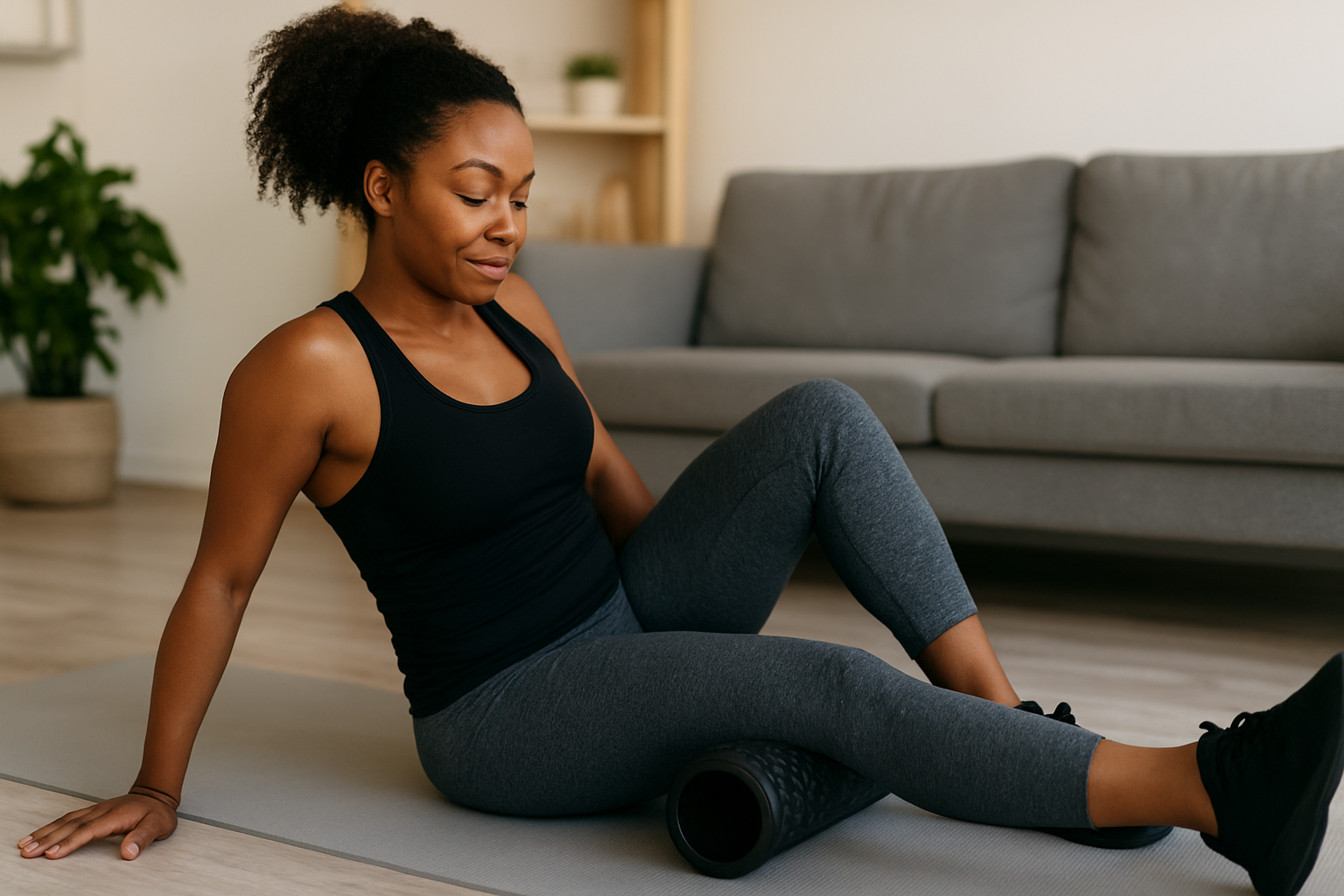
The foam roller is great for large muscle groups, such as the quadriceps, calves, glutes, and upper back. These are areas that tend to become tight after activities such as squatting, running, or sitting for extended periods of time.
Foam rolling also pairs perfectly with stretching. Try using the roller first to loosen up your muscles, then finish with gentle stretching exercises. This combo helps your body recover faster and move better. Over time, regular foam rolling can make your workouts feel smoother. It can improve your flexibility. It can also shorten your recovery time.
5.Building Your At-Home Flexibility & Recovery Routine
Do you want to maintain flexibility and mental well-being? You don't need a fancy gym or expensive equipment; your living room is all you need! Creating a simple stretching and recovery routine at home can work wonders for your body and mind. Whether you're new to home workouts or looking to better care for your muscles, consistency and balance are key.
Here’s an easy structure you can follow:
1.Warm-up : Start with 5–10 minutes of light movement like leg swings, arm circles, or walking lunges. This gets your blood flowing and prepares your muscles for your workout.
2.Workout: Do your usual exercise routine. This could include strength training, cardio, or yoga.
3.Cool-down : Slow down with gentle stretching exercises after your workout. Focus on the areas where you worked the hardest: your legs, back, and shoulders. Then, spend a few minutes with your foam roller. This will help your muscles relax and recover faster.
When it comes to flexibility training, you don’t have to spend hours doing it. Even 10–15 minutes a day can make a big difference if you stay consistent. Try setting aside a few minutes every morning or before bed to stretch. You’ll notice fewer instances of stiffness, better posture, and smoother movement during your workouts over time.
It’s also important to listen to your body.If a stretch feels too tight or painful, ease up a bit. Stretching shouldn't hurt. Everyone’s flexibility level is different, and progress happens at your own pace.
To keep yourself motivated, track your progress. Write down how long you stretch or note how much deeper you can go into a movement over time. Seeing those small improvements is a great reminder that your effort is paying off.
Remember that recovery isn't just about resting; it's also about taking care of your body so that you can continue doing the activities you love. Keep it simple and consistent, and your home fitness routine will soon feel smoother and stronger.
Recovery is an essential part of your fitness journey. Every workout challenges your body, but muscle recovery and self-care are what make real progress possible. Adding stretching exercises, foam rolling, and regular flexibility training to your routine will help you move better, feel stronger, and reduce soreness after every session.
You don't need much time or equipment to get started. Just a few minutes each day and the right tools can make a big difference.Are you ready to start taking better care of your body? Check out our recommended foam rollers and yoga mats, or download our free stretching guide to get started today!
Train hard, recover smart, and your body will thank you.